How much does stop-go or convoy working cost?+
Manual control is priced on operatives and hours, because it needs people on site for the whole working period, plus the signing and equipment for the arrangement. It is usually more expensive per shift than portable signals but cheaper than the delay of a scheme that cannot function. We quote the specific shift pattern and duration in writing.
When is stop-go better than portable traffic lights?+
When the situation needs judgement: long or poor-visibility sections, frequent plant crossings, multiple accesses within the controlled length, works that move along the road, or peak flows where a fixed cycle would create queues. For steady flows over a fixed layout, signals are usually the more economical answer, and we will tell you when that is the case.
Are your operatives qualified to control live traffic?+
Yes. Operatives hold Lantra and NRSWA cards with T1, T2 and T3 tickets, and we are registered under Sector Scheme 12 across 12A to 12D. The competencies are matched to the road type, which matters most on higher-speed roads where the requirements are stricter.
How long does it take to set up?+
The physical set-up of a stop-go or convoy arrangement is usually a matter of an hour or two on the day, including advance warning signs and the pedestrian route. The lead time is the authority permit or notice period, which varies by authority and works type, so involve us as soon as you have dates.
Can you provide pedestrian management on its own?+
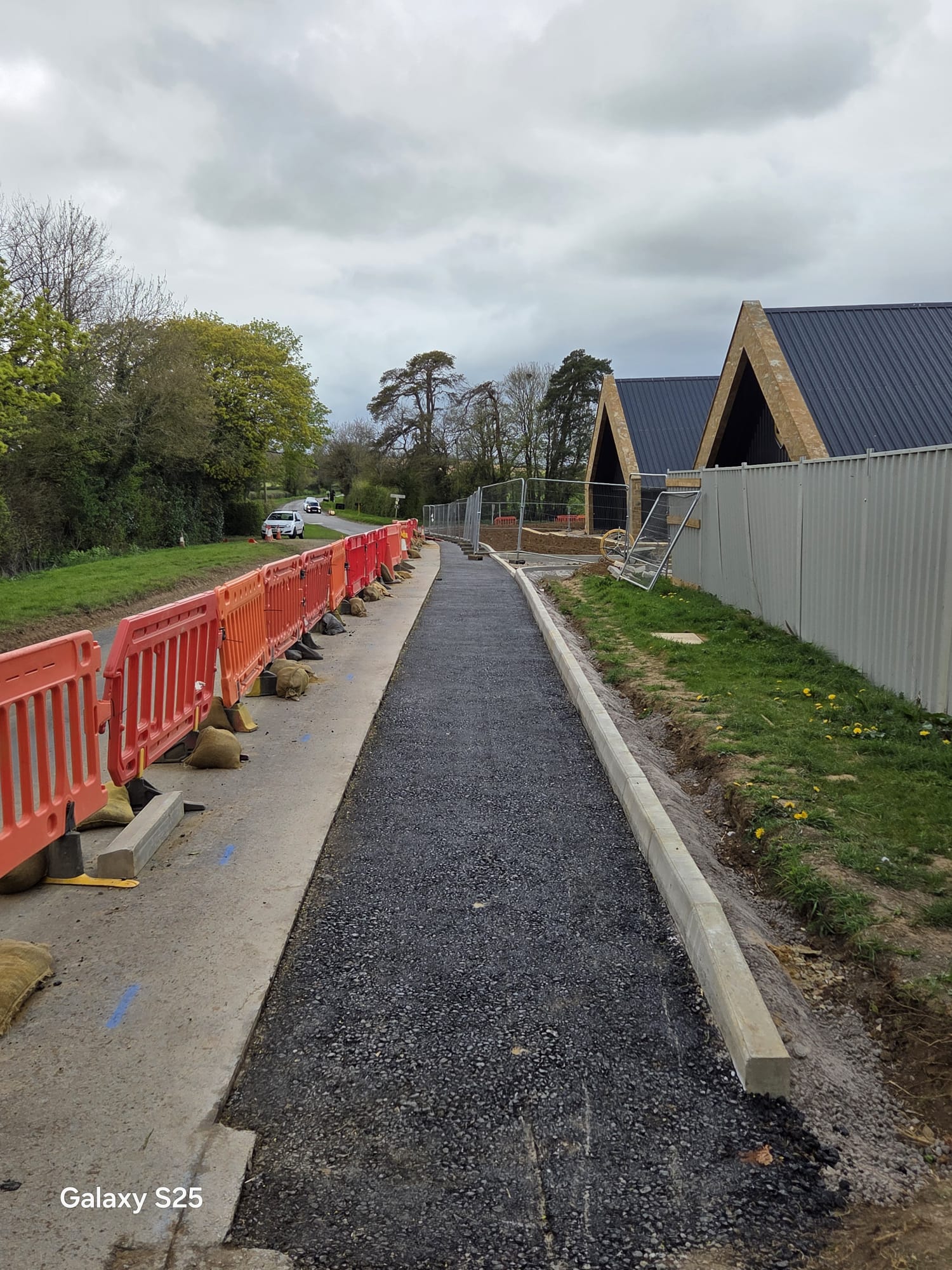
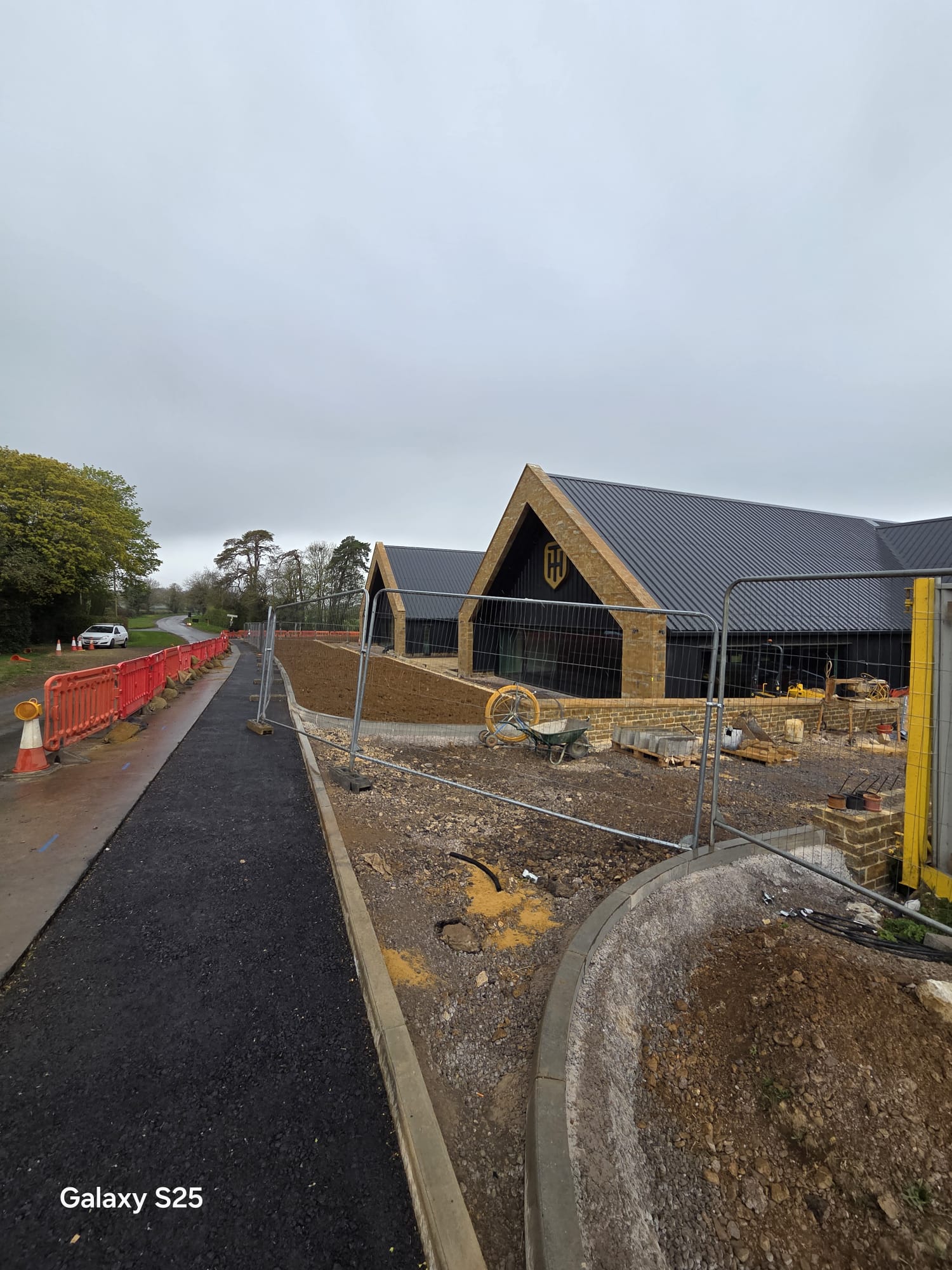
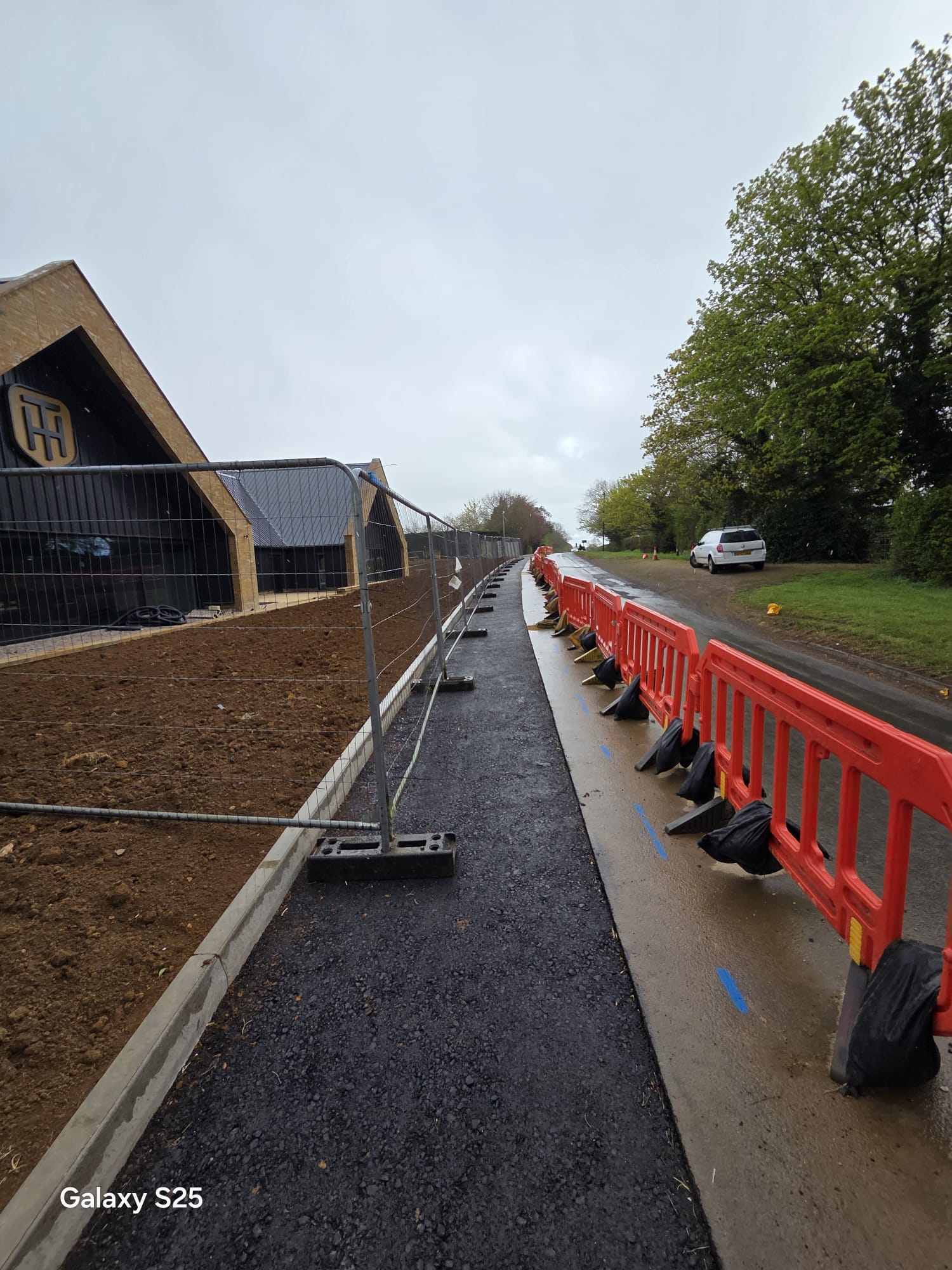
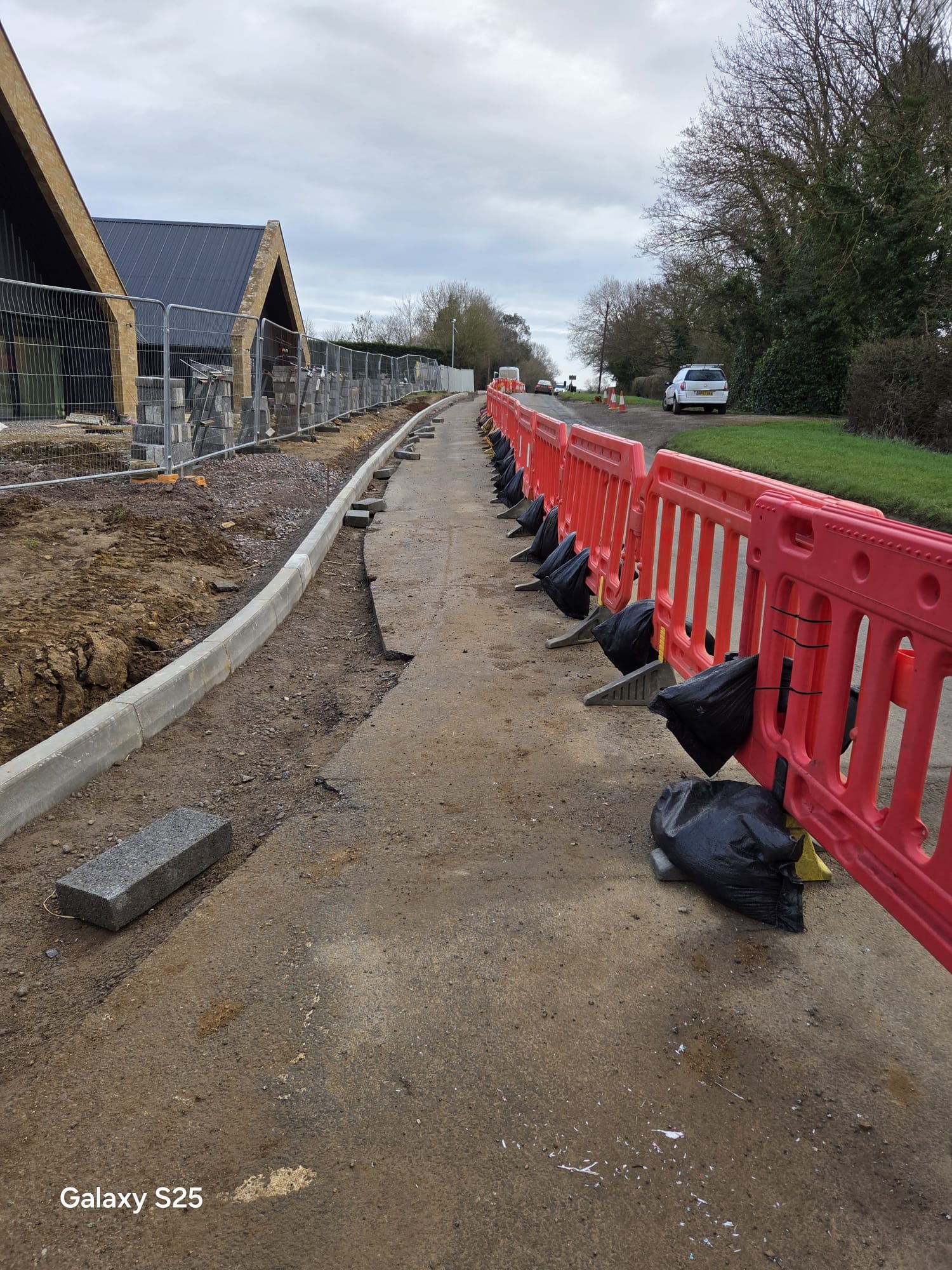
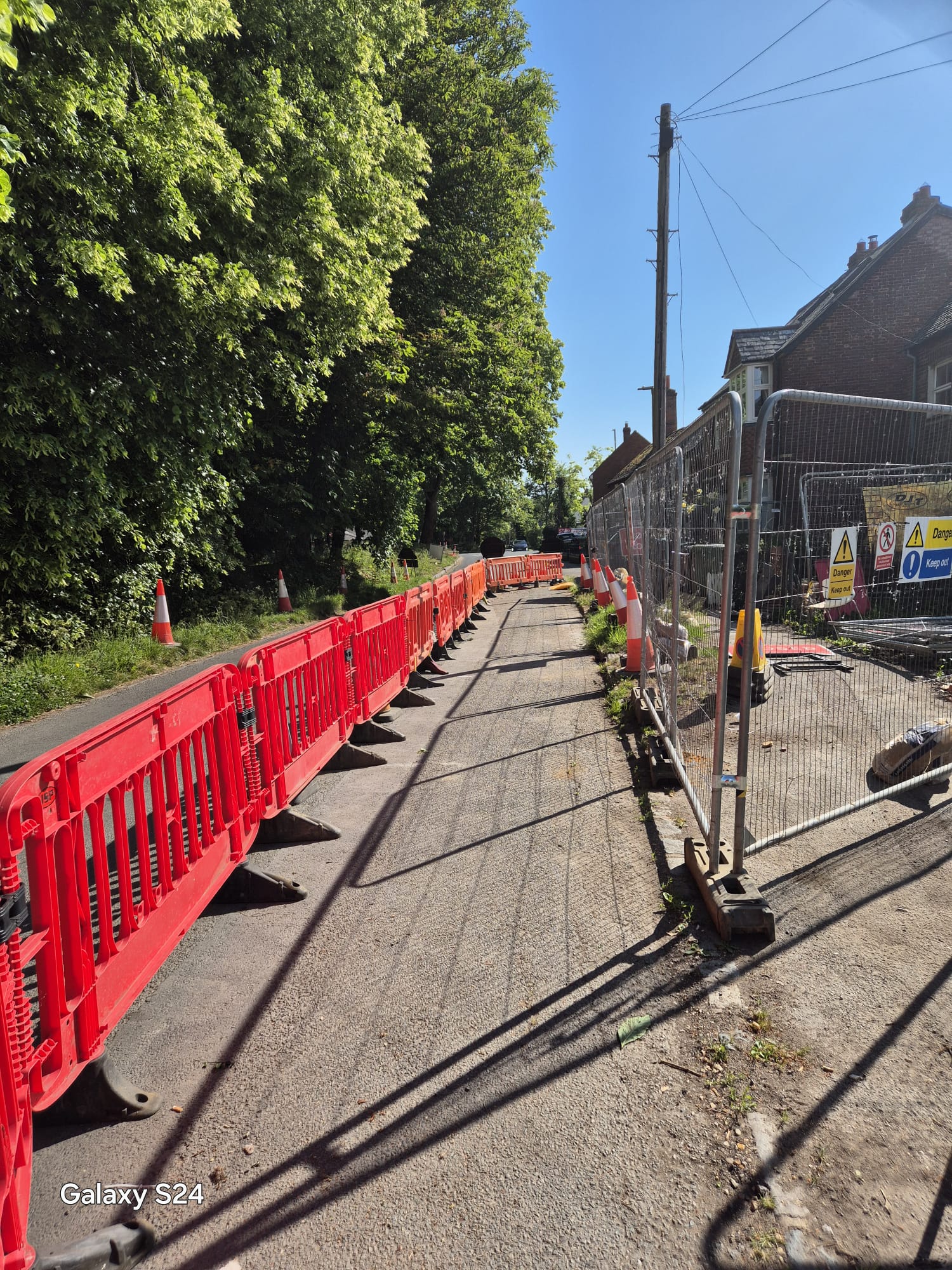
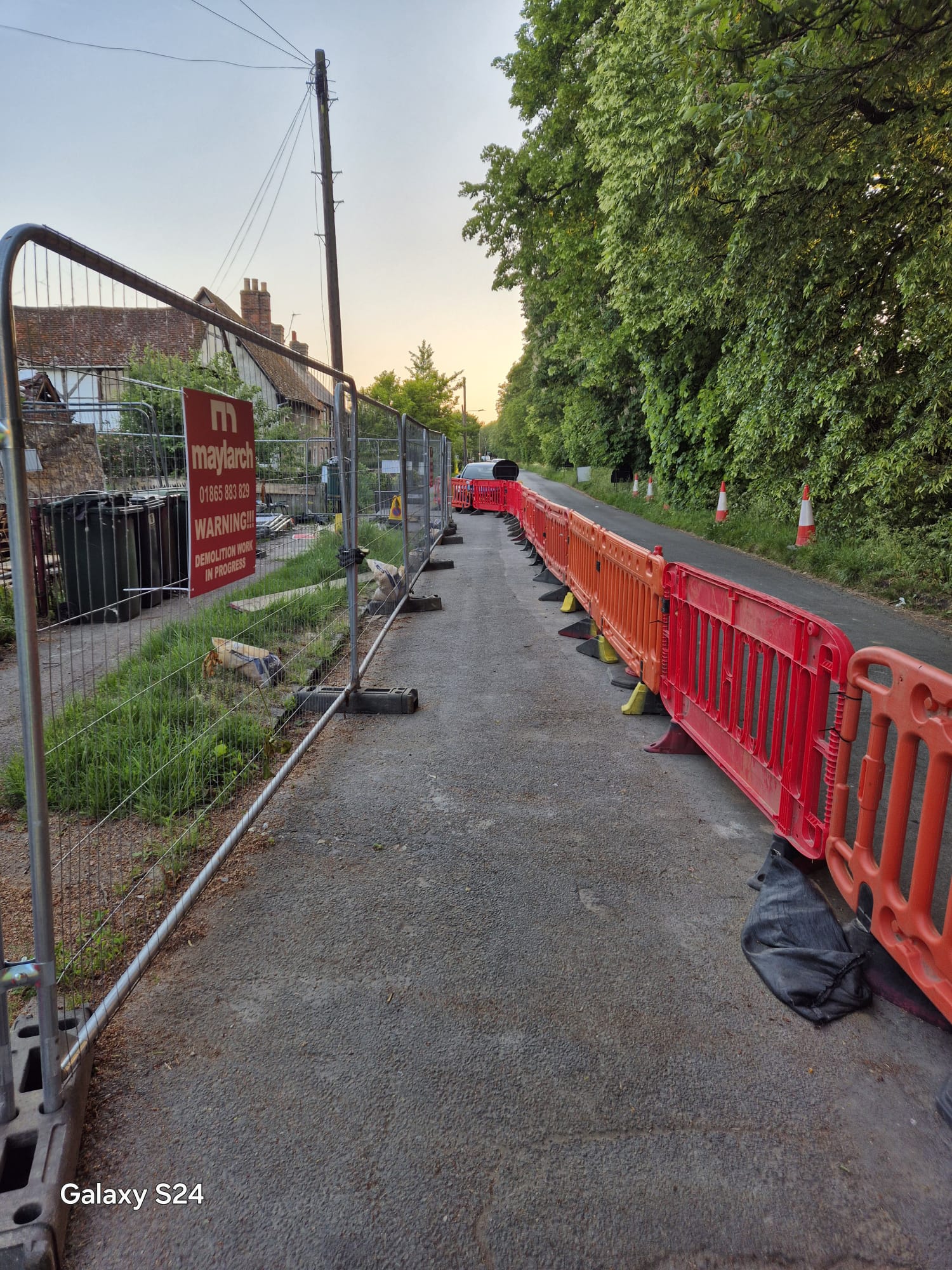
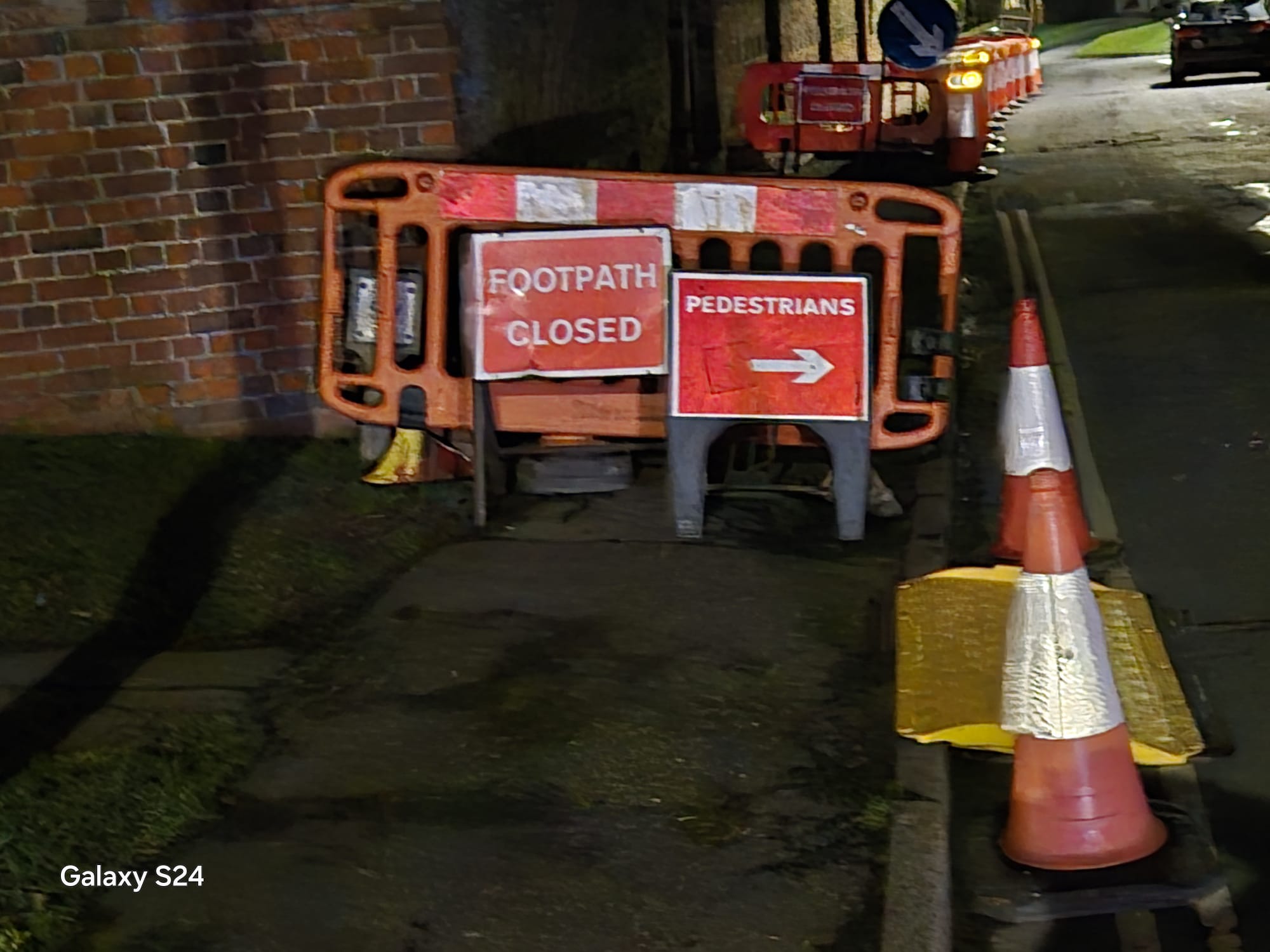
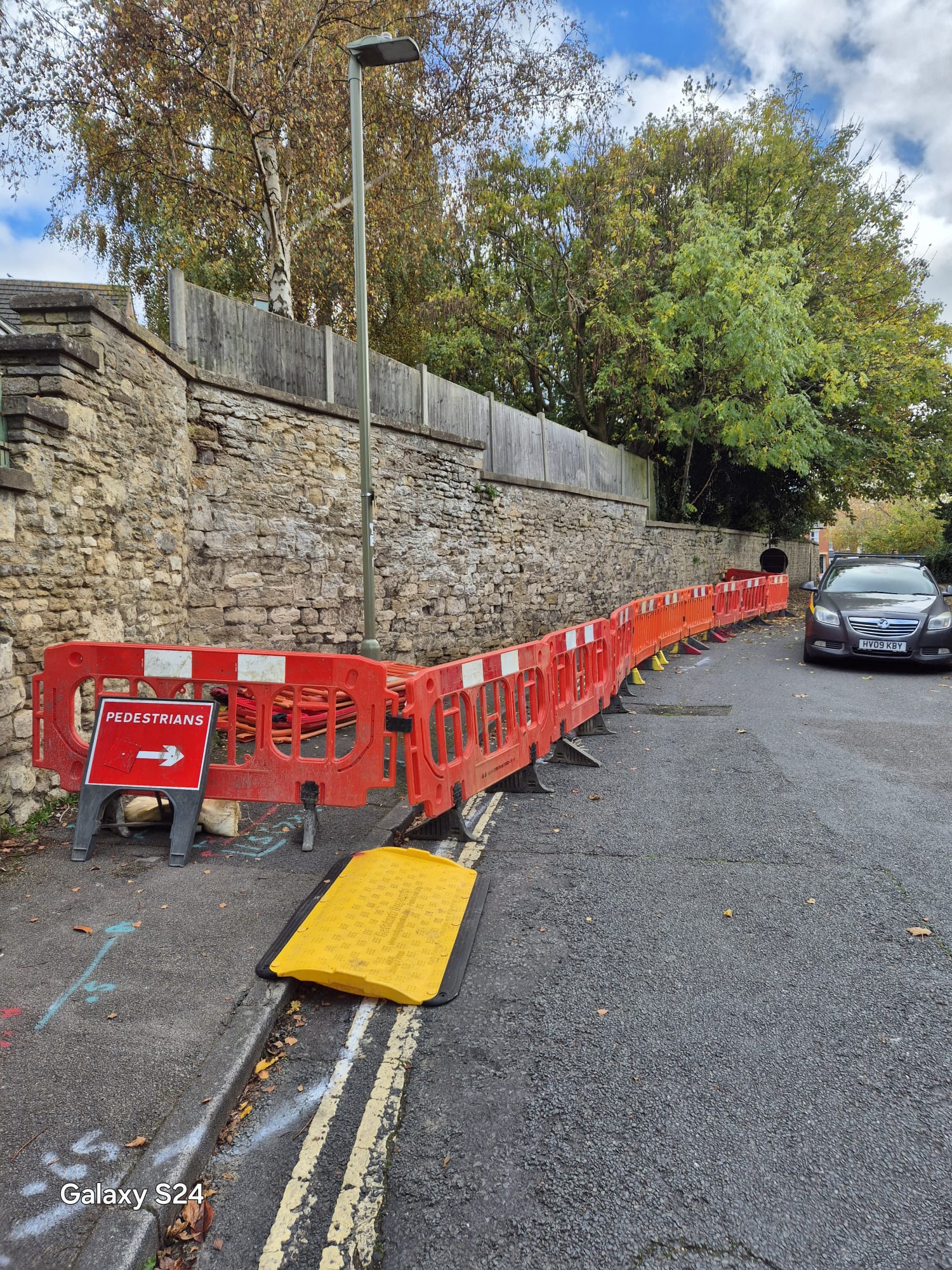
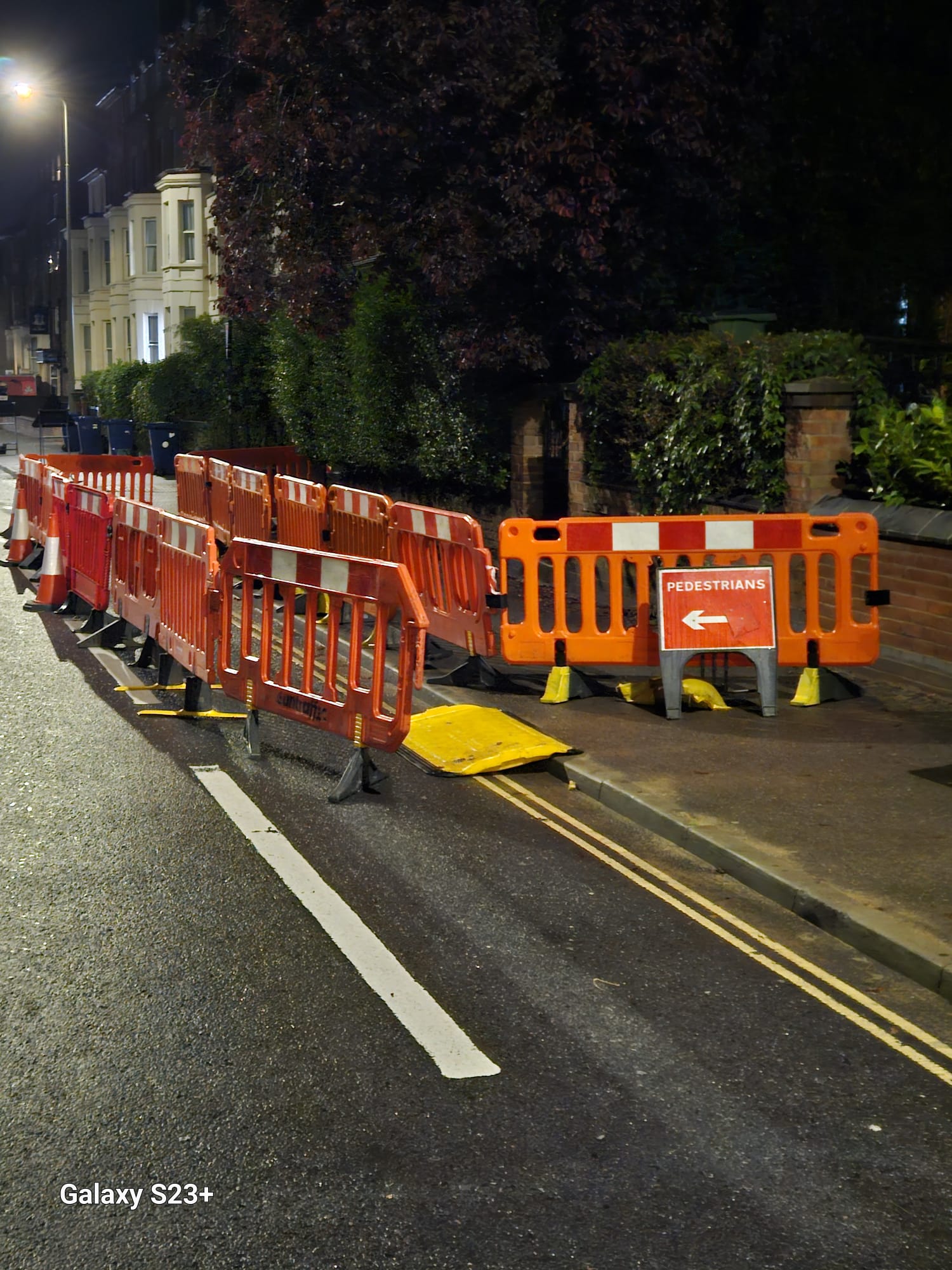
Yes. Footway closures with a compliant alternative route are a common standalone requirement, for example around scaffold, forecourt works or a site hoarding. We design the route, supply and install the barriers, separators and signage, and maintain it for the duration.
How do you keep wheelchair users and visually impaired pedestrians safe?+
By designing for them from the start: adequate clear route width, continuous barriers with tapping rails at ground level rather than cones, firm surfaces with ramps where levels change, and defined crossing points. The route is kept consistent between phases so regular users are not relearning it every week.
Can you cover night shifts and weekends?+
Yes. Night working, weekends and out-of-hours shifts are routine, and we operate 24/7 including emergency rapid-response call-outs. With our own crews, an unusual shift pattern is a scheduling question rather than an obstacle.
What happens if a driver ignores the board?+
The arrangement is designed on the assumption that some will. Stopping positions, sight lines and safety zones are set so an operative is not relying on every driver behaving, and incidents are recorded and reported to you. Where a location has a recurring problem we will propose a change to the arrangement rather than repeat it.
Do you cover rural Oxfordshire lanes as well as urban streets?+
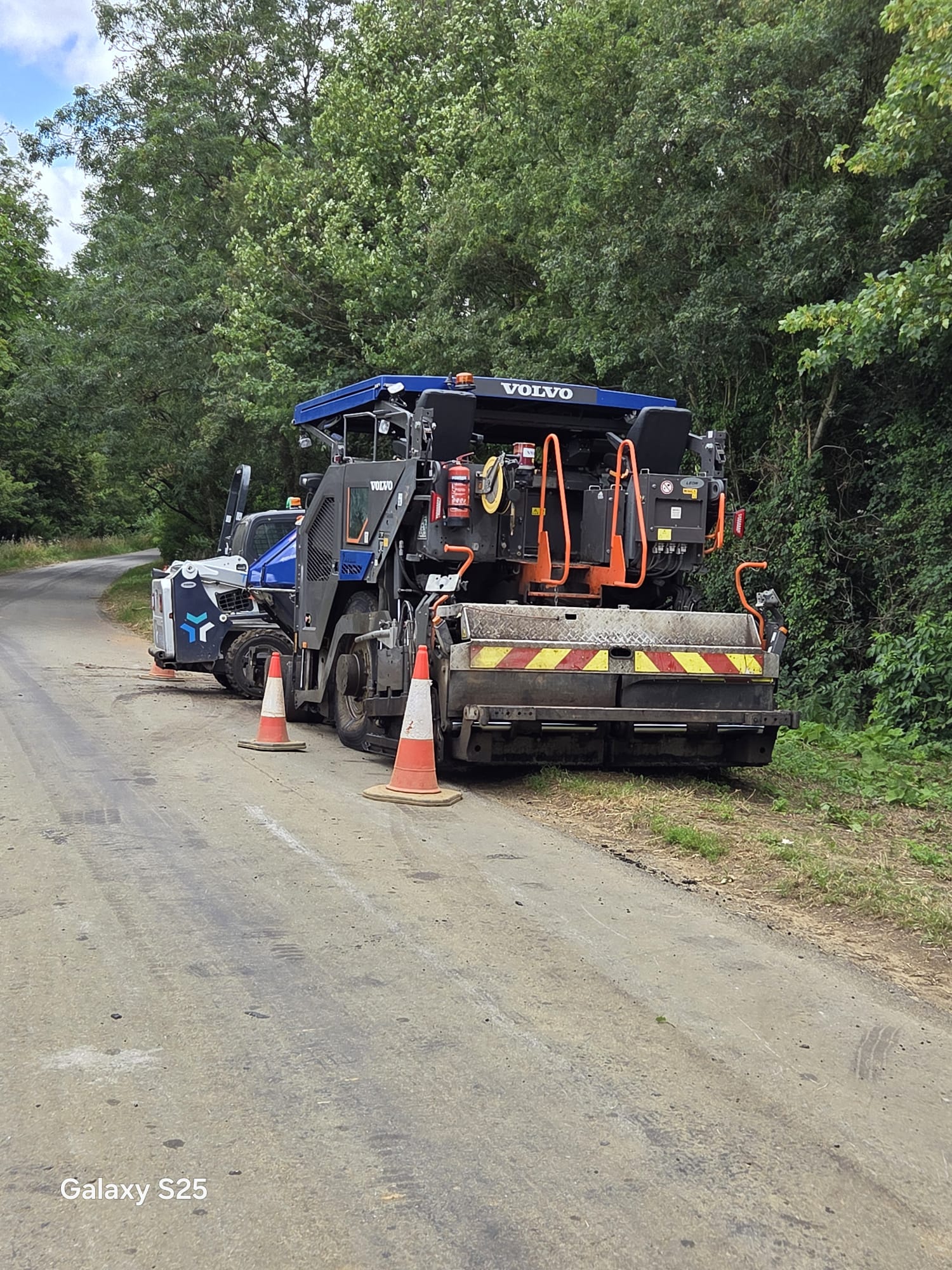
Yes, and they need different answers. Rural single carriageways typically call for convoy or stop-go because of visibility and section length; urban streets more often need signals plus a carefully designed pedestrian route. We work across Oxfordshire, Oxford, London, the South East, South West, Wales, the Midlands, the North and Scotland.
Do you handle the permit for this type of scheme?+
Yes. We handle authority liaison end to end, including permit applications and Temporary Traffic Regulation Orders where the arrangement requires one, and we take the drawing through to highway authority approval before your crews arrive.